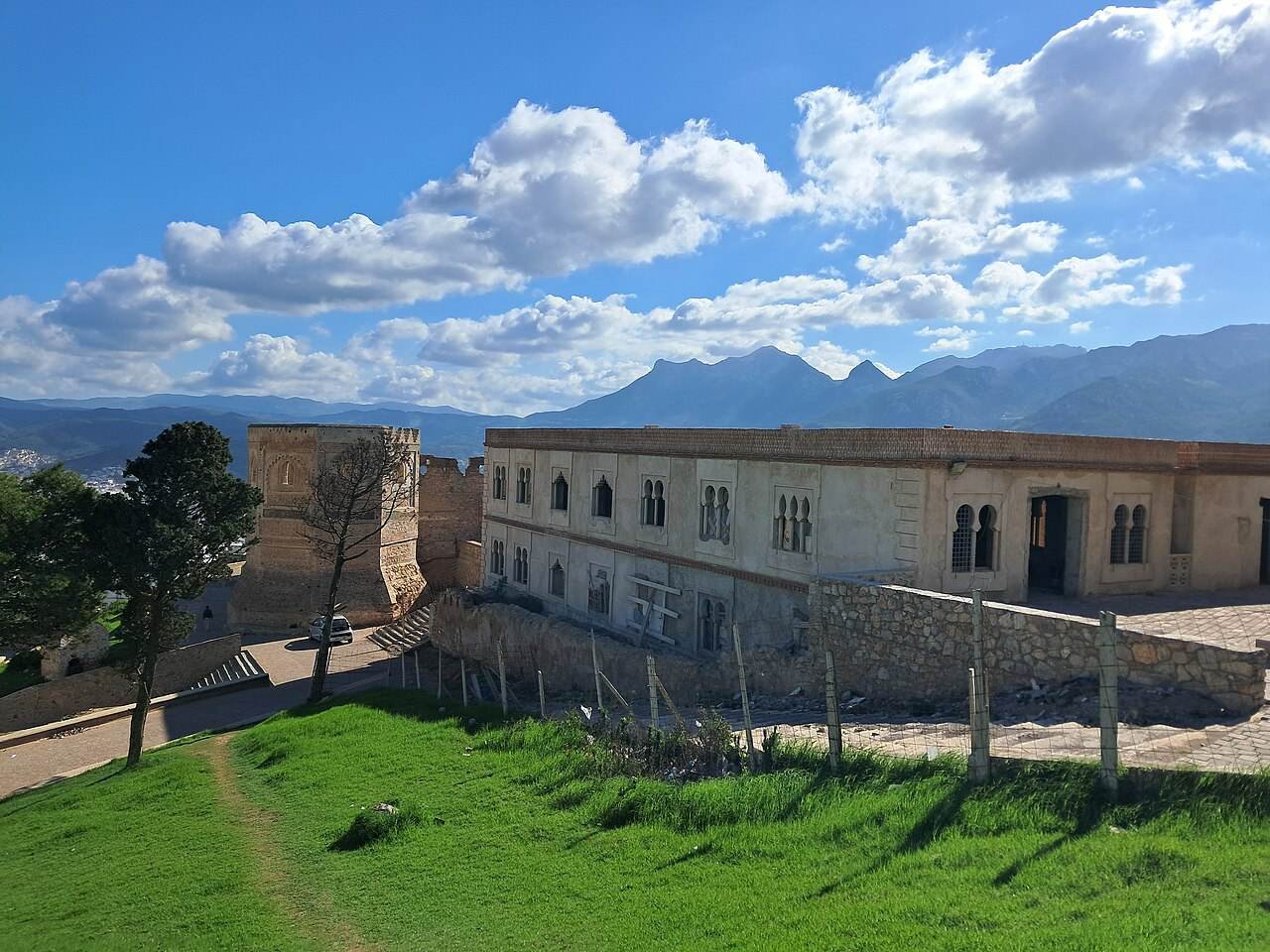
 Day trip
Season: Year-round
Tetouan day trip
- A UNESCO-listed medina with Andalusian heritage
- Often combined with Chefchaouen
Day trips
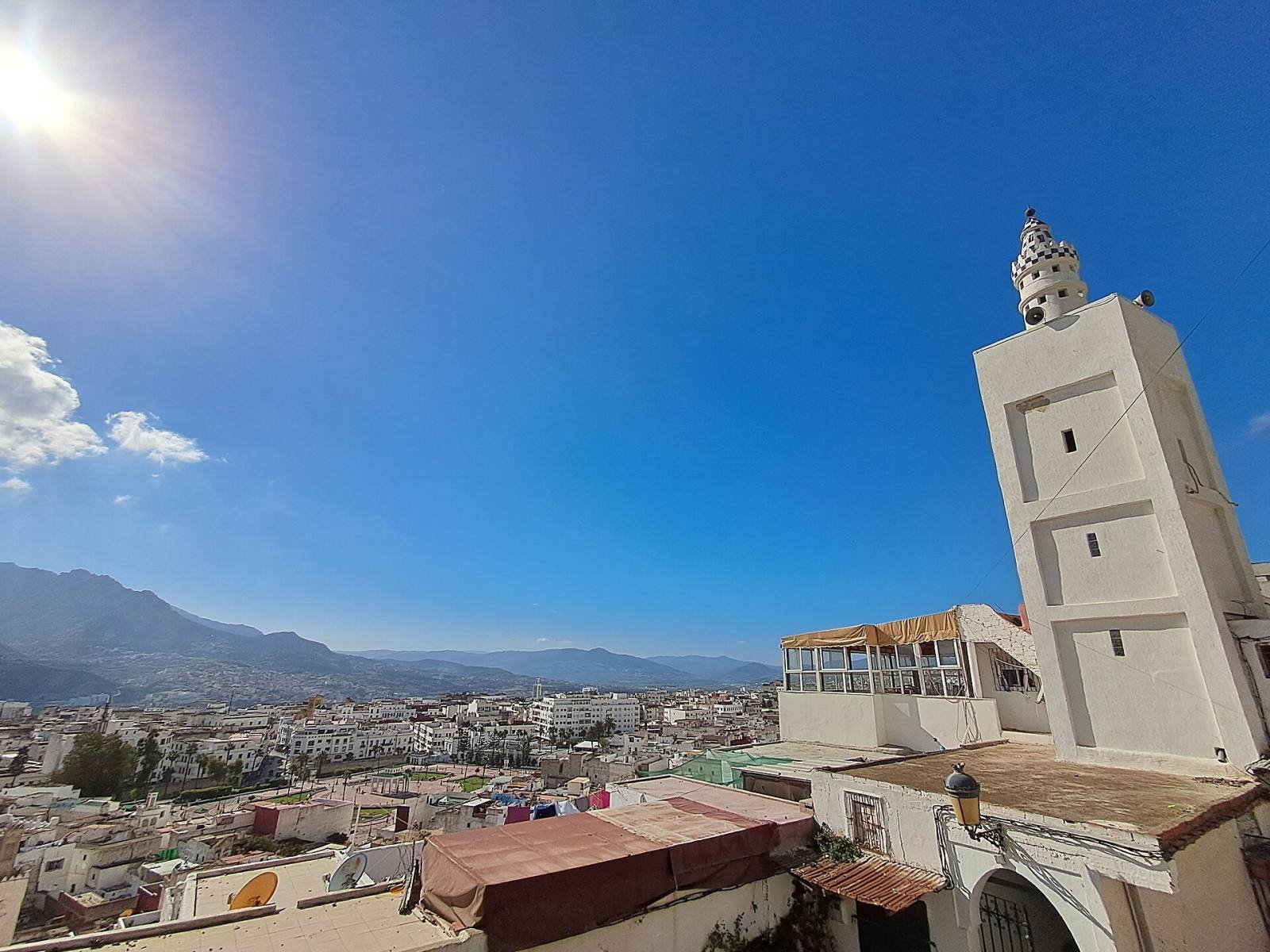
Tetouan is only an hour from Tangier, but it feels very different. Its medina, rebuilt by Muslim and Jewish refugees from Andalusia at the end of the 15th century, is one of the best preserved in Morocco and a UNESCO World Heritage Site. Next to it, the white streets of the Spanish quarter recall the years when Tetouan was the capital of the Spanish protectorate. It makes an easy and rewarding day trip.
Our getting there page has more on the bus station and taxis in Tangier.
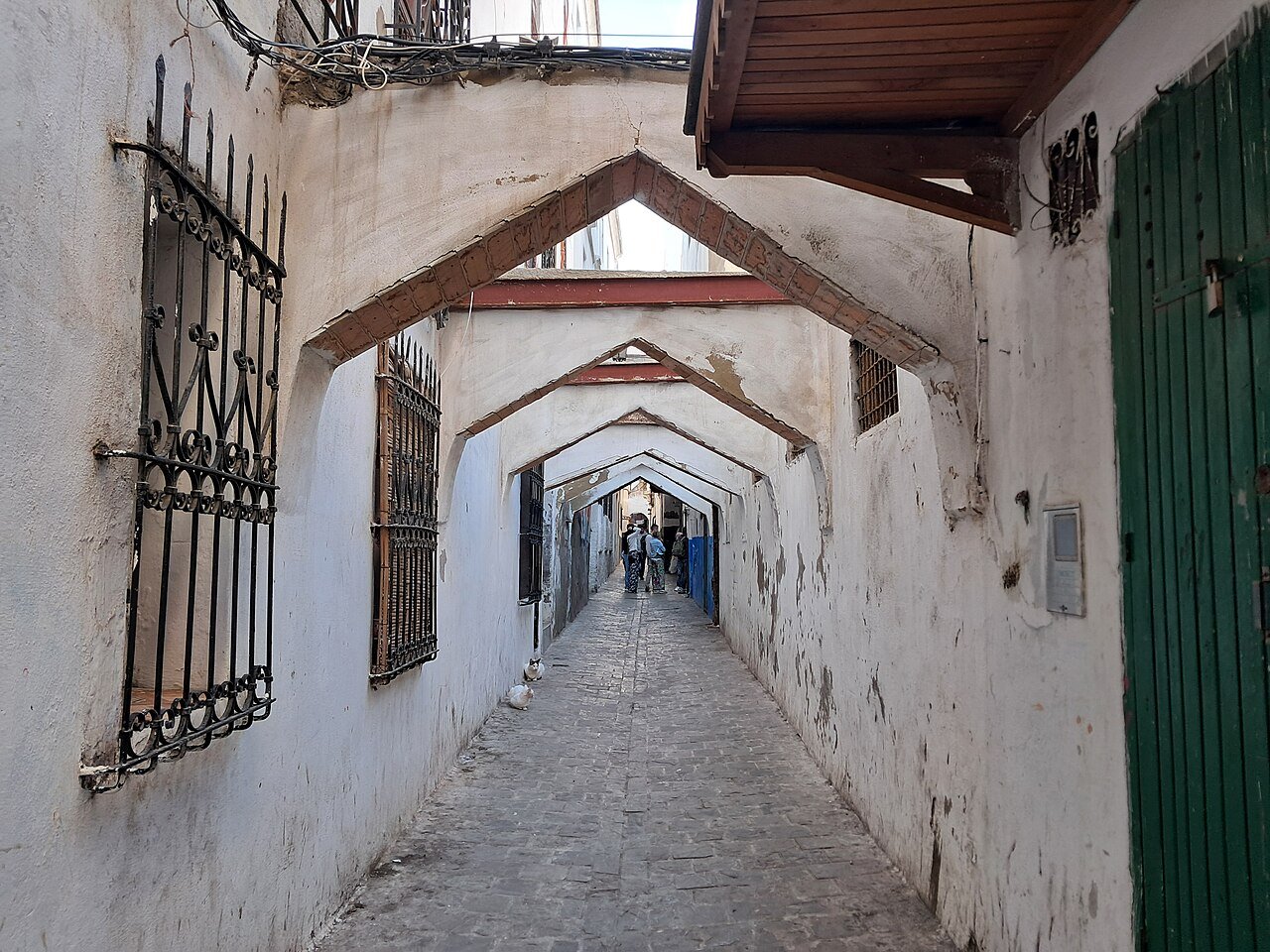
Enter at Place Hassan II, the big square in front of the Royal Palace, and walk into the lanes beyond. The medina is divided into quarters by trade, with streets of tailors, jewellers, spice sellers and leather workers. It is less touristy than many Moroccan medinas, and shopkeepers rarely push hard. A local guide is useful here, as the lanes twist and many of the best buildings are easy to miss.
Look for the old gates, such as Bab Okla, the carved wooden doors of the houses, and the tanneries near the edge of the old town. The Mellah, the former Jewish quarter, lies just off the main square.
Just outside Bab Okla, the school of traditional arts and crafts trains young people in zellige tilework, wood carving, embroidery and other skills. When it is open, you can watch the students at work. The ethnographic museum nearby shows costumes, instruments and household objects from northern Morocco. Opening hours change, so check them on the day.
South of the medina, the Ensanche was built by the Spanish in the early 20th century. Its wide streets are lined with white buildings with green shutters and wrought-iron balconies, cafés and pastry shops. It is a pleasant place to stop for mint tea after the medina, and it shows a side of Morocco’s history that few visitors see.
Tetouan’s cooking has strong Andalusian roots. Try pastilla, the sweet and savoury pie, slow-cooked tagines and local pastries. The cafés of the Spanish quarter are good for breakfast and sweets. For more ideas, read what to eat in Tangier, as many of the same dishes are served here.
Tetouan is closer and less crowded. Chefchaouen, the famous blue town, is about an hour further into the mountains. Some tours visit both in one long day, but that leaves little time in either. If you have time for only one, choose Chefchaouen for photos and atmosphere, and Tetouan for history and a more everyday Moroccan city. See our Chefchaouen day trip guide to compare.
Book ahead
Day trip
Season: Year-round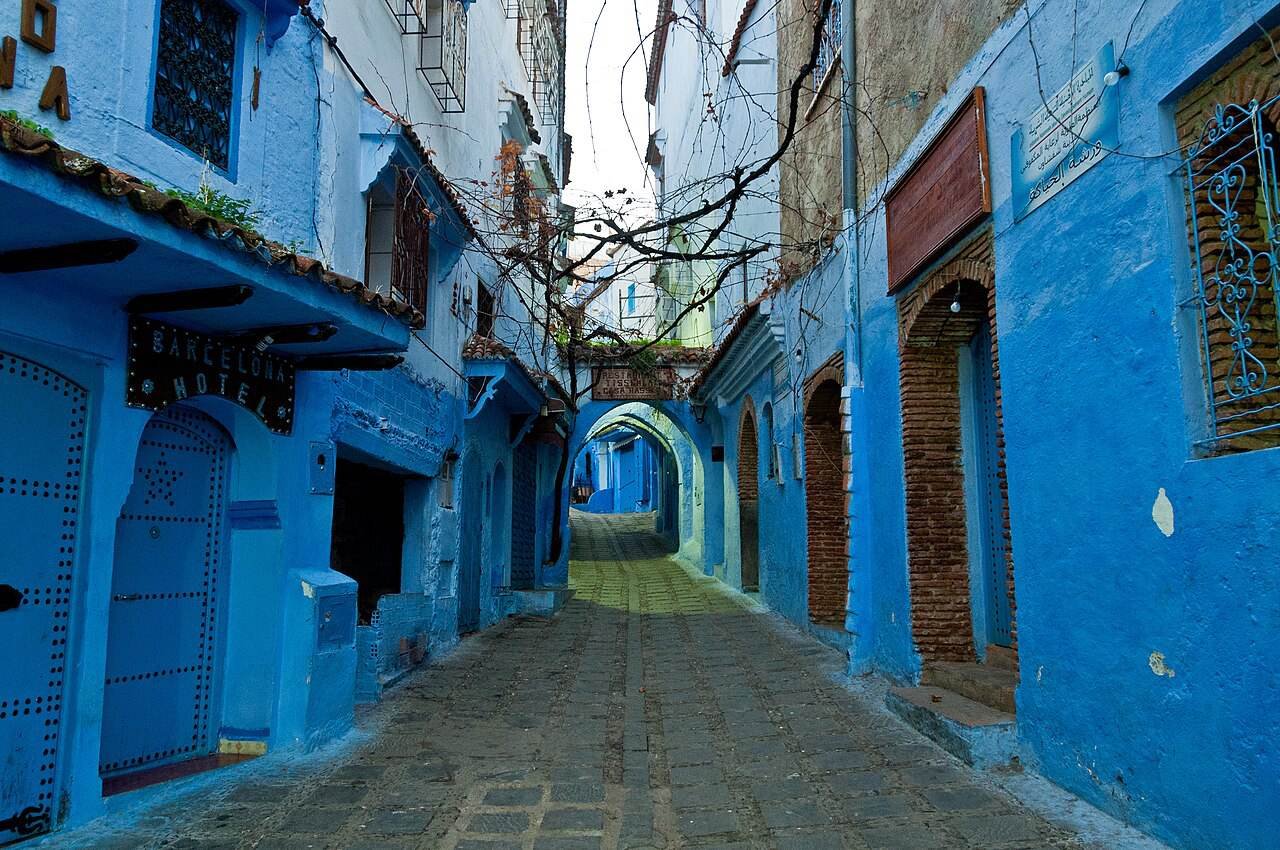 Day trip
Season: Year-round
 Walking tour
Season: Year-round
Keep reading
 Day trips
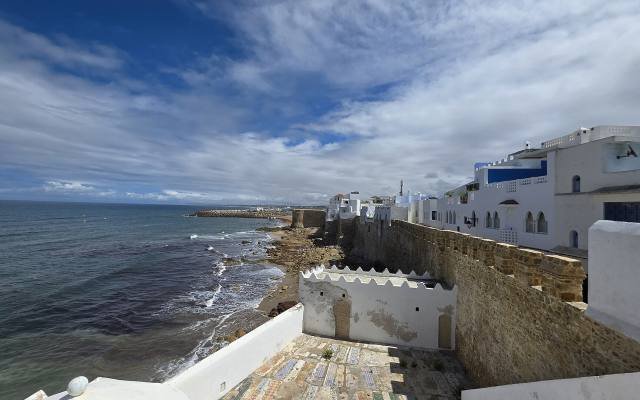
How to visit Asilah from Tangier by train, taxi or tour, and what to see in the whitewashed medina, from the Portuguese ramparts to the murals and the beaches.
 Planning
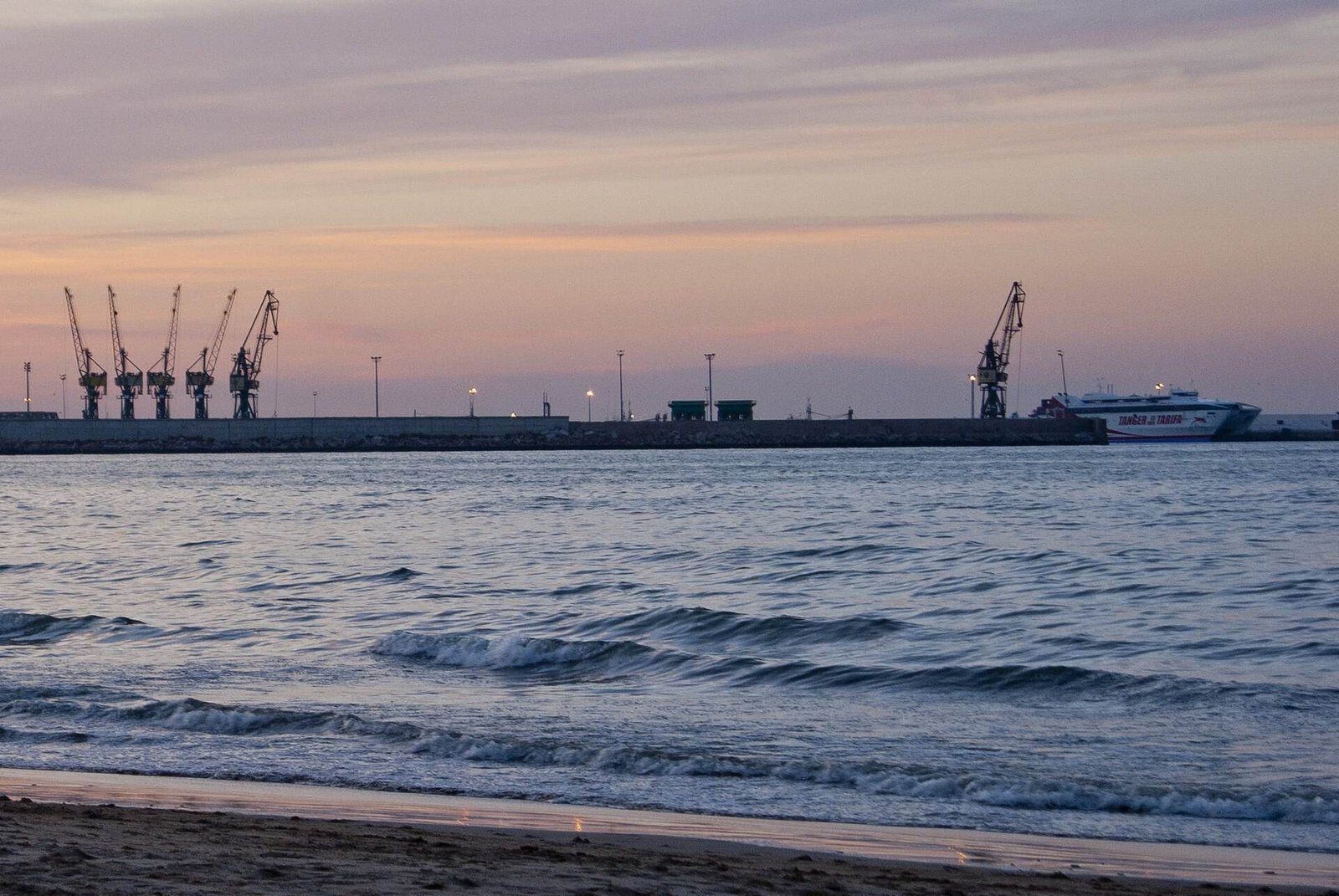
Africa is an hour away from Tarifa. How to plan a day trip to Tangier from Spain, with an organised tour or on your own.
 Day trips
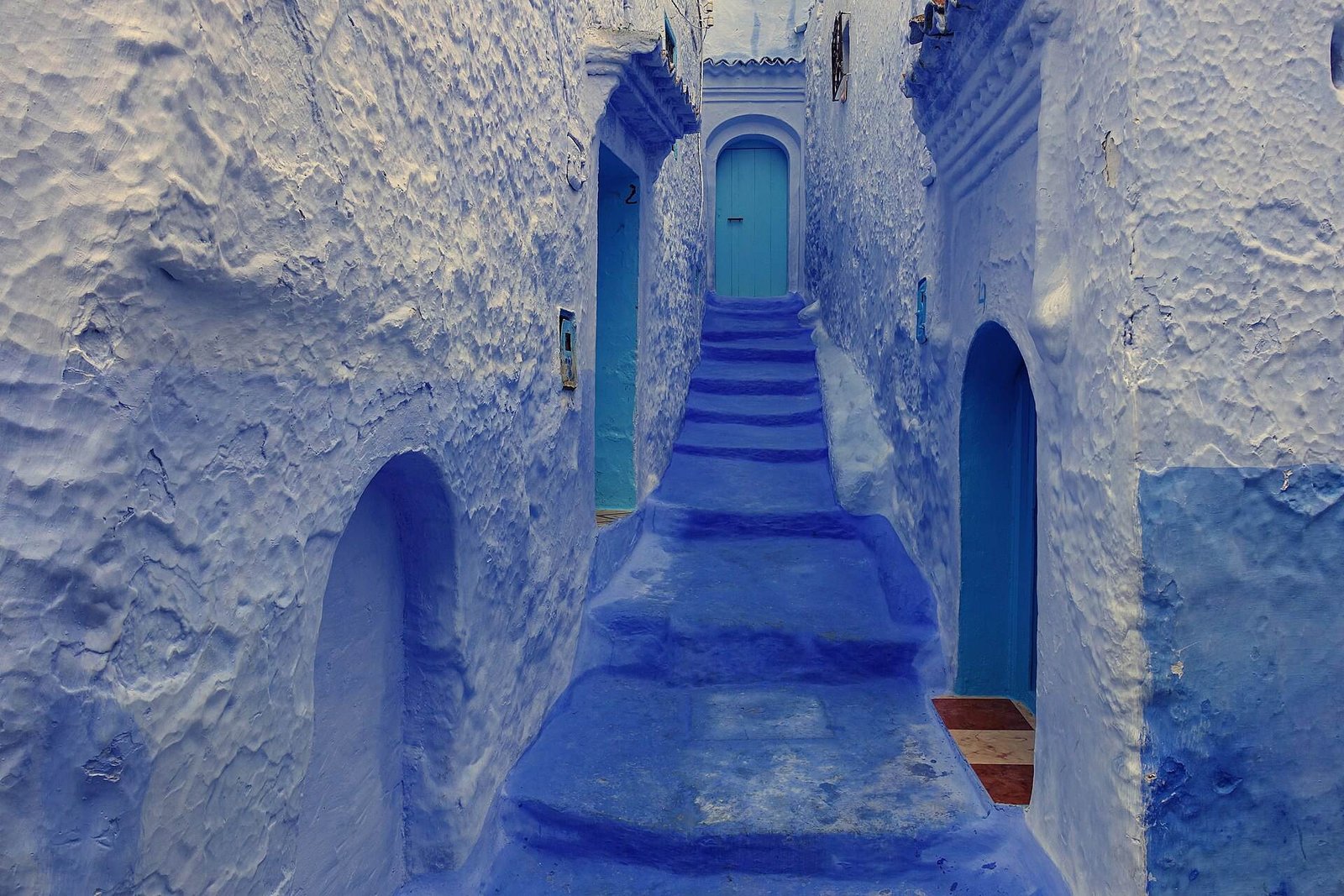
The blue city in the Rif Mountains is the most popular day trip from Tangier. How to get there, what to see and how to make the most of your time.