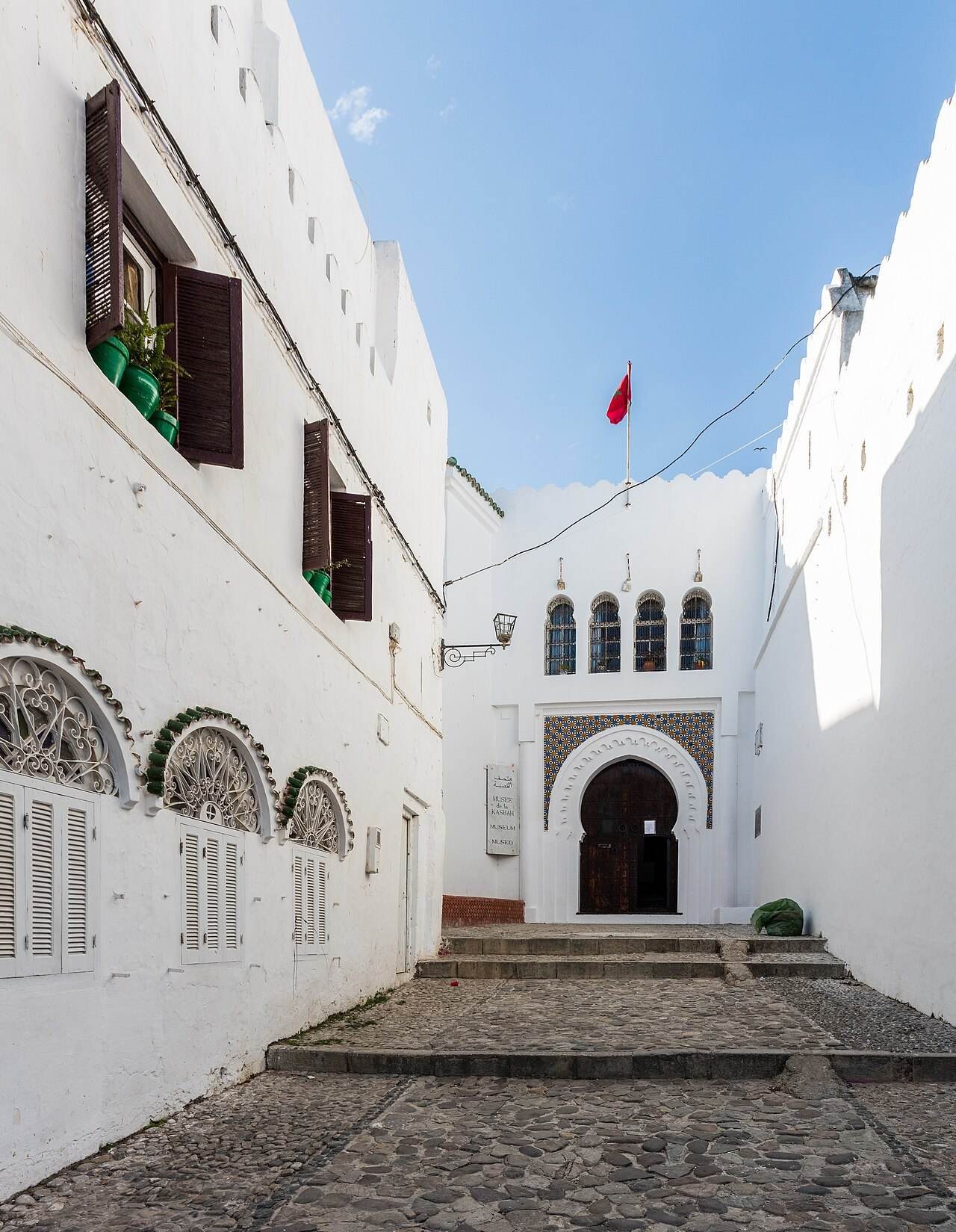
 Walking tour
Season: Year-round
Medina and Kasbah walking tour
- The souks, the Petit Socco and the Kasbah
- A licensed guide who keeps hustlers away
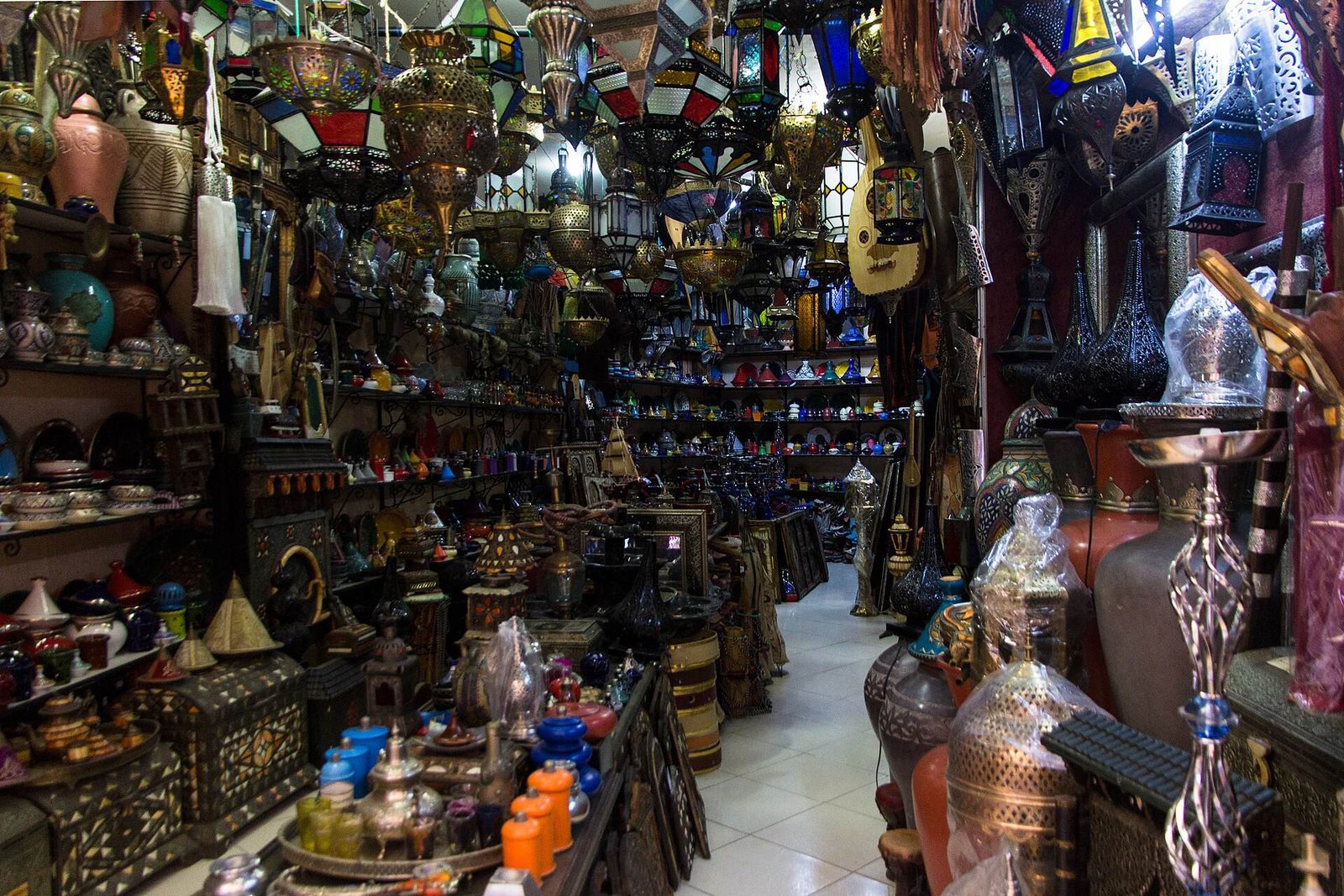
Travel guide
When to go, what to wear, what to eat, how money works and how to get the most out of your first visit to Morocco.
| Where | Northern Morocco, on the Strait of Gibraltar |
|---|---|
| Distance to Spain | About 14 km across the strait at its narrowest point |
| Languages | Moroccan Arabic and Amazigh. French and Spanish are widely spoken, English in tourist areas. |
| Currency | Moroccan dirham (MAD) |
| Time zone | Usually GMT+1, changing to GMT during Ramadan |
| Plugs | Types C and E, 220 volts |
| Emergency numbers | Police 19, ambulance and fire 15 |
The best time to visit Tangier is in spring, from March to May, and autumn, from September to November, when days are warm and the city is less crowded.
| Months | What to expect |
|---|---|
| March to May | Mild and sunny, with green hills. Ideal for walking and day trips. |
| June to August | Warm and busy, with strong winds on some days. Ferries and hotels are busiest in July and August. |
| September to November | Warm days and calmer seas. One of the best times to visit. |
| December to February | Mild but wetter and windier, with few visitors and lower prices. |
The dates of Ramadan move earlier each year. During the holy month many cafés and restaurants close during the day, and the city comes alive after sunset.
Try tagines and, on Fridays, couscous. Harira soup, bissara (a thick fava bean soup), msemen pancakes and fresh grilled fish are everyday favourites, and street stalls sell kalinte, a chickpea-flour snack with Spanish roots. Mint tea is served everywhere. Alcohol is available in some hotels, restaurants and bars, but not in most cafés. Read what to eat in Tangier.
The dirham is a closed currency, so you will get it on arrival from cash machines or exchange offices. Cards are accepted in hotels and larger restaurants, but carry cash for taxis, cafés and the souks. Bargaining is expected in the souks, and tipping is customary.
Tangier is generally safe. Unofficial guides may approach you in the medina and around the port; decline politely and firmly, or book a licensed guide. In petit taxis, ask for the meter or agree the fare before you set off. Take normal care with valuables in crowded places.
Book ahead
Walking tour
Season: Year-round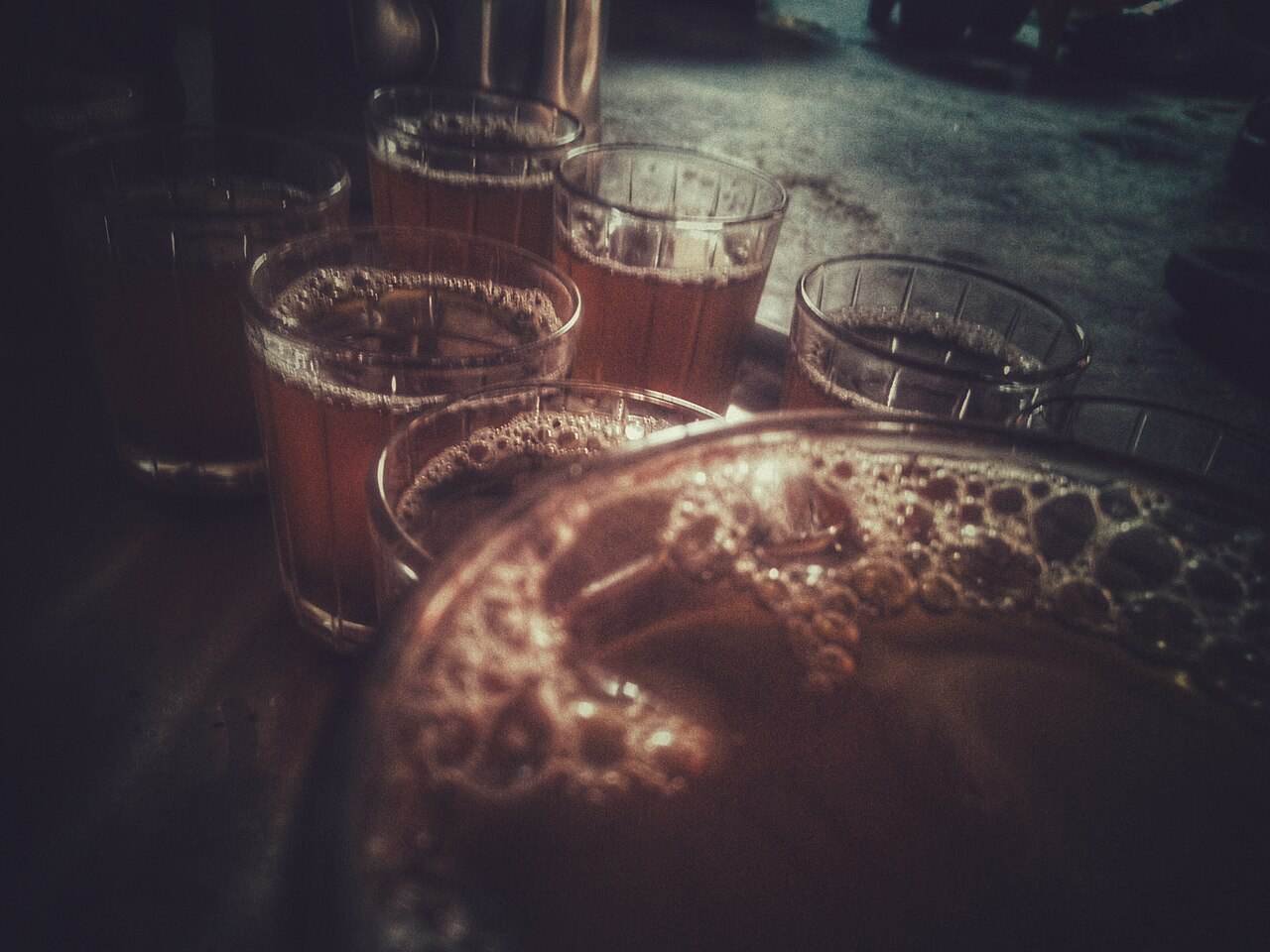 Food tour
Season: Year-round
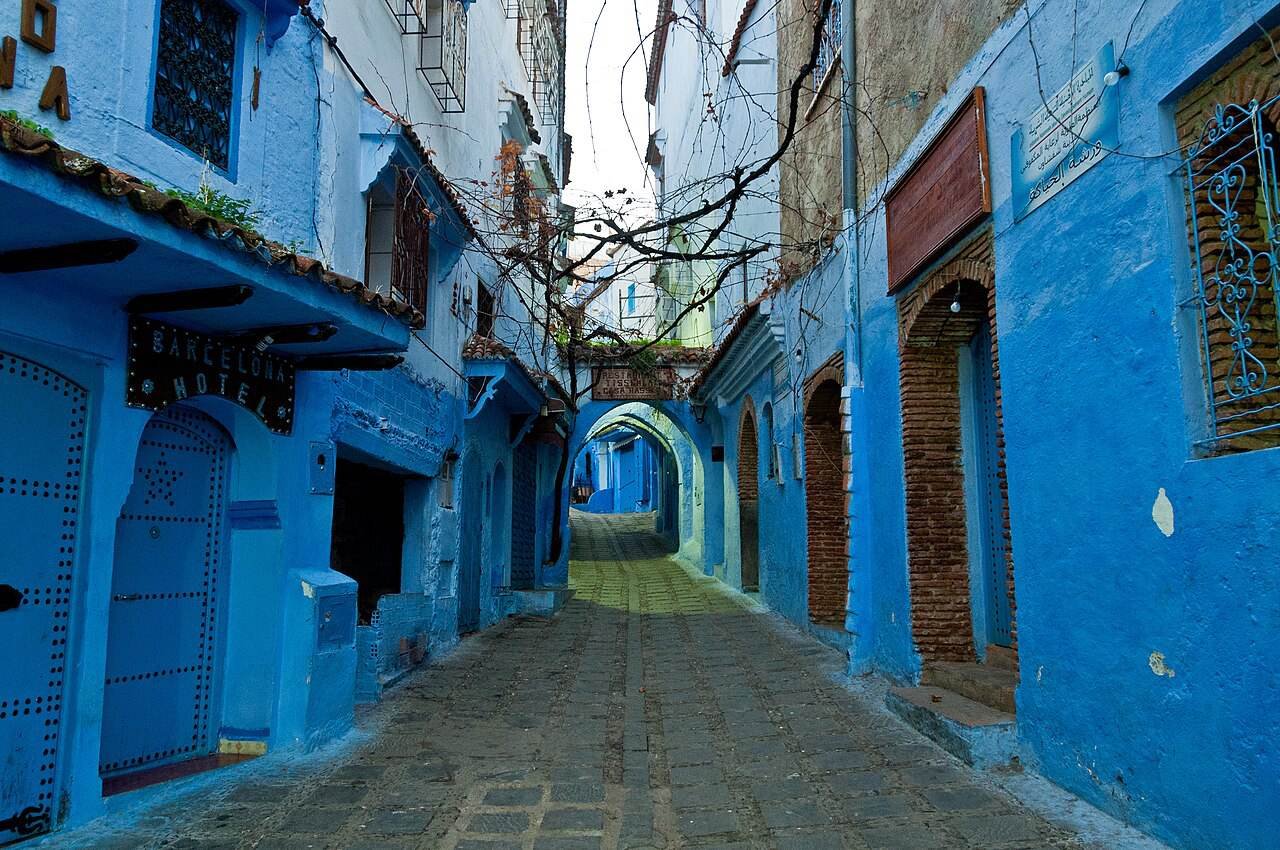 Day trip
Season: Year-round
Good to know
The Moroccan dirham (MAD). It is a closed currency, so you cannot easily get it before you travel. Cash machines are easy to find, and cards are accepted in most hotels and larger restaurants. Carry cash for the souks and taxis.
Moroccan Arabic, called Darija, is the everyday language, and Amazigh languages are also spoken. French is widely understood, Spanish is common in the north, and English is spoken in hotels and tourist areas.
Modest clothing is appreciated, especially in the medina: shoulders and knees covered is a good rule for everyone. Beachwear is fine on the beach and at hotel pools.
Tipping is customary. Around 10 percent in restaurants is common, and small tips are appreciated by guides, drivers, porters and café staff.